How To Stay Energized During A Long Mountain Hike
Author:Alina
|
Released:March 12, 2026
Hiking long mountain trails is more demanding on your body than a trail walk. Raising your energy management will mean the difference between completing the hike and stumbling to the trailhead utterly exhausted.
The distinction between a draining suffer-fest and an entertaining adventure can frequently be the fueling plan. This is the way seasoned hikers get energy to work all day long.
Eat Before You Feel Hungry
It is too late when hunger signals come when your energy stores have fallen considerably. Your performance has been dropping by the time you get hungry on the trail, over the last 30 to 45 minutes. Hunger is waiting and playing catch-up with your calorie requirement.
Instead, set a schedule. Eat anything (small) after every 45 to 60 minutes, irrespective of your mood. A few bites of jerky, or half an energy bar, or a handful of trail mix keep the calories flowing. According to the recommendation of the American College of Sports Medicine, carbohydrates should be taken in 30-60 grams per hour during long endurance activity [1].
The breakfast that you have before the hike is crucial. Have a big meal two to three hours before the start. Whole-grain toast, oatmeal, or rice are complex carbohydrates that give lasting energy. Add fats and protein to retard digestion and make the energy supply last longer. Missing breakfast will ensure an energy crash before noon.
Trail Foods That Actually Work
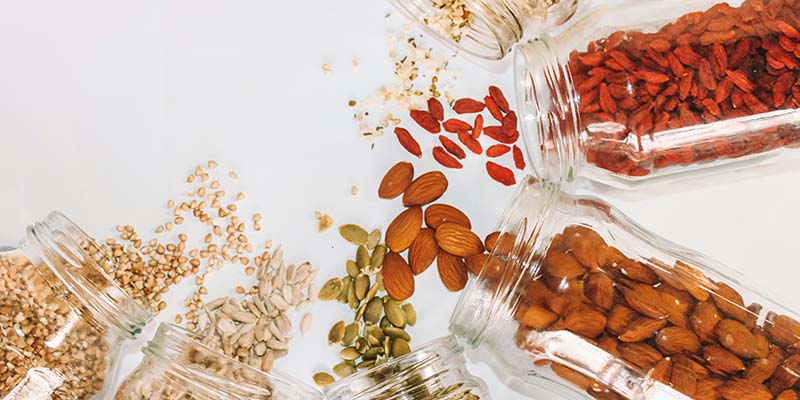
Trail mix got its name fairly. The nuts, dried fruit, and seeds provide a source of carbohydrates to get instant energy and fats and protein to provide a longer-lasting supply. Prepare yourself to have control over the amount of sugar and use ingredients you really enjoy to eat.
Energy bars are concentrated calories in a small amount of weight and volume. Search for alternative products that have real foods instead of lengthy chemical labels. Clif Bars, RX Bars, and Larabars have varying tradeoffs between convenience and nutrition. Any bar should be tested on training increases, then it should be trusted to perform on a big day.
Wholesome food frequently overpowers processed options in long-lasting energy. Peanut butter sandwiches, cheese and crackers, or home-made rice balls are easy to digest and taste better than their packaged equivalents. Often, through-hikers will eventually go completely off of energy bars in favor of basic, whole foods that their digestive systems can more easily process during long days.
Hydration Affects Energy More Than You Think
Dehydration leads to fatigue, not thirst. Research indicates that weight loss by only two percent in the form of sweat greatly affects physical and mental performance. Before you get thirsty, you have already lost a sufficient amount of fluid to slow you down.
Consume water regularly during your hike, but avoid drinking lots of water at a time. Take each drink after every 15 to 20 minutes, although you may not feel like you are thirsty. This is much easier than having to pull out a water bottle to have a drink in the form of a hydration bladder with a drinking tube. Moderate hiking is recommended by the National Park Service at half a liter per hour, more during hot weather or at high altitudes [2].
Electrolytes are a problem during hot days or more than three-hour hikes. The simple water thins your blood sodium levels and makes you tired, and in severe cases life-threatening hyponatremia. Add electrolyte tablets or powder to some of your water. Other brands such as Nuun, Liquid IV, and LMNT are rich in sodium and other minerals without too much sugar.
Pace Yourself From The Start
Overheating at the first start burns up glycogen stores you will require in the last miles. The thrill of new legs and scenic entice hikers to strain early. This excitement generates an energy deficit that builds up during the day.
Start with a rate that you can sustain for hours and not minutes. You ought to be in a position to converse without gasping. When you are unable to converse comfortably, slack up. The initial hour must be nearly too easy. This is walking in yourself to experienced mountaineers.
Take little breaks ahead of time. Two to five minutes of rest per hour is enough to avoid fatigue that needs more time to recover. Have a meal, have a drink, sit down, and go on before your muscles become too cold. The American Hiking Society puts it down that strategic rest averts the profound fatigue that no food can promptly turn back [3].

Mental Energy Matters Too
Physical and mental exhaustion are self-perpetuating. Your body follows the mind when it has given up. The cumulative length is divided into smaller parts to make the distance manageable. Set your eyes on the next milestone, and not on miles to cover.
Music, podcasts, or hiking with friends can be mentally stimulating, and the miles will run quicker. Keep your favorite playlist for the last push when you are likely to feel low in energy. Distraction is a valid aid to the perceived effort on long efforts.
Finish Strong On Every Long Hike
Constant fueling, constant hydration, intelligent pacing, and mind management are some of the keys to sustained energy. None of these involves any costly equipment or great athleticism. They need organization and discipline to carry out when the path becomes long, and your body would like to give up.
Test your fueling plan on shorter hikes and then proceed to tackle big mountain days. Get to know what foods your stomach can withstand during exercise and the amount of water needed by you. A system of energy effective for one person might not be effective for another. Develop your strategy by trial and error and come to each trailhead certain you can make it to the end.
References
[1] Nutrition and Athletic Performance - American College of Sports Medicine - https://www.jandonline.org/article/S2212-2672(15)01802-X/fulltext
[2] Hiking Safety and Hydration - National Park Service - https://www.nps.gov/articles/hiking-safety.htm
[3] Trail Tips for Long Hikes - American Hiking Society - https://americanhiking.org/planning-your-hike/
Related Posts
Outdoor Gear
6 Most Breathable Hiking Shirts For Hot Weather Trails
Outdoor Gear
Waterproof Hiking Boots With Latest Tech (2026 Picks)

Activities
How To Safely Cross Rivers While Hiking With 9 Simple Safety Checks

Guides and Tips
Best Nutrition And Snacks For Long Hiking Trips That Keep You Moving Longer

Destinations
Top Family-Friendly Hiking Routes in the UK That Make Every Walk Easy and Fun

Guides and Tips